2026-10-19
Daily cover vs intermediate cover: which one costs you more airspace
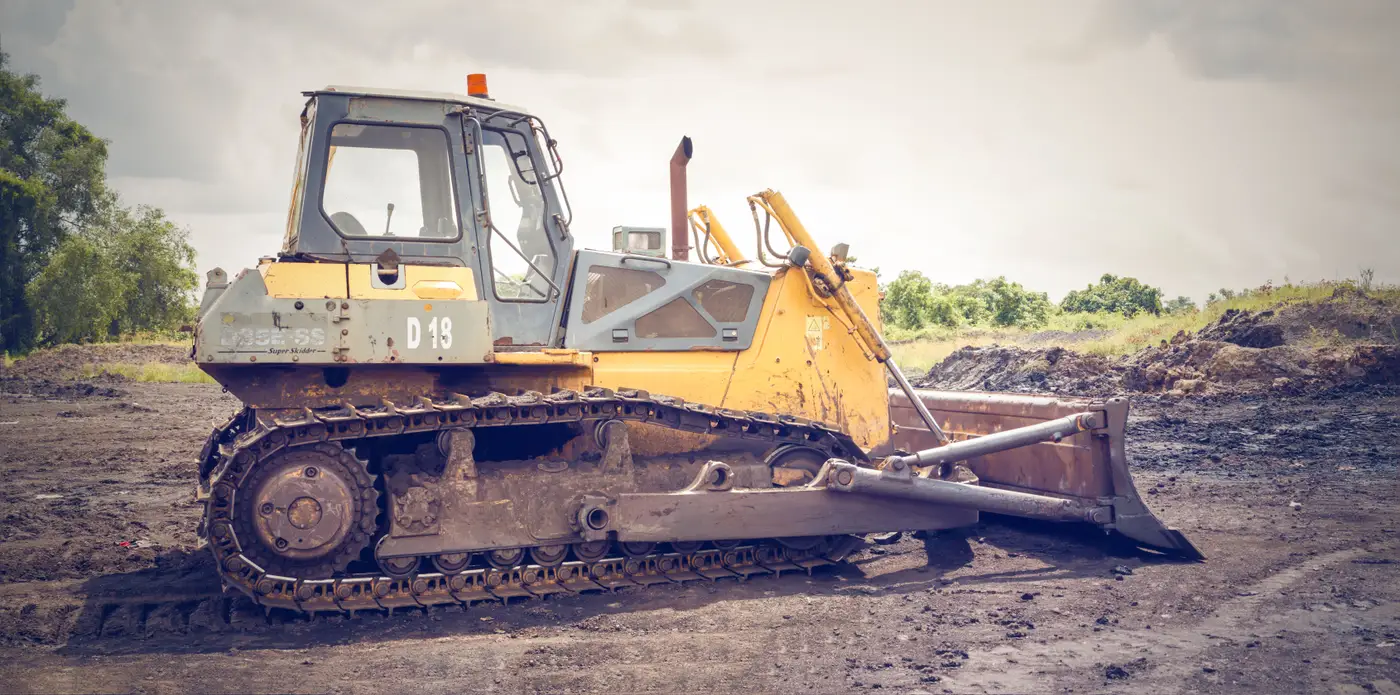
If you've stood at the working face watching the dozer push another lift of borrow soil over the day's waste, you've probably done the math in your head: how much of that six inches is going to come back and bite you at the next permit review. Cover soil doesn't show up on the scale house ticket as "lost airspace," but that's exactly what it is. Daily cover and intermediate cover eat your permitted void space at different rates, and most site records can't show you which one is costing more.
Daily cover: small lifts, compounding loss
Six inches of daily cover is the standard most engineers run with, placed at the end of each operating day over any area that won't take more waste within 24 hours. Six inches sounds trivial until you multiply it across a working face that gets covered, uncovered, and recovered dozens of times over the life of a cell. Every one of those lifts is soil sitting where waste tonnage could have gone instead. Over a year of daily operations, that six-inch habit adds up to a meaningful chunk of consumed airspace, and it's the kind of loss that's easy to underestimate because it happens in small, unremarkable increments rather than one big event.
Some sites cut this with tarps, foam, or approved alternative daily cover (ADC) products specifically because six inches of soil, repeated daily, is expensive in both borrow material and void space. If your permit allows ADC and you're still trucking soil every shift, that's worth a second look.
Intermediate cover: thicker, but less frequent
Intermediate cover thickness typically runs around twelve inches, applied over any area of the landfill that will sit idle for 30 days or more without more waste going on top of it. It's double the thickness of daily cover, but it goes down far less often, usually once per area rather than once per shift. What actually drives the cost here is how long an area sits under that layer, more than the thickness itself. A side slope that's supposed to get buried under the next lift but ends up idle for six months instead of 30 days is carrying that extra foot of soil, plus whatever settlement and erosion repair comes with it, for a lot longer than planned.
Where the soil actually comes from
Neither cover type is free, and the soil isn't either. A lot of sites run their own cover soil borrow pit somewhere on or near the property, which keeps haul costs down but also means every cubic yard pulled out of the pit and pushed over the cell is a cubic yard that isn't generating tip fees. When the borrow pit runs low or the site has to start trucking soil in, the pressure to switch more tonnage to ADC, or to get more aggressive about pulling intermediate cover back out before a new lift goes on, tends to show up fast in the operating budget.
So which one costs more airspace?
In isolation, intermediate cover uses more soil per square foot. But daily cover usually wins the airspace battle over a full year, simply because of frequency. A cell worked face by face accumulates those six-inch lifts constantly, while the thicker material only goes down where the schedule stalls. Sites lose void space fastest when both are happening at once: heavy daily lifts on an active face, plus intermediate cover sitting on side slopes longer than planned because the next phase got delayed.
The trouble is that most of this only gets added up at survey time, months after the soil went down, long after a different sequencing decision could have saved cubic yards. That's the gap a monthly surface comparison against last month's cell is built to close, so the cover soil trade-off shows up on paper instead of as a surprise at the next permit review.
If cover placement is quietly eating more of your remaining airspace than your records show, see how a monthly volume figure against the permit limit changes that conversation.